Source Protective Cushioning Nose Bridge Strip for Masks, Medical, and Industrial Use
Find and compare 30 listings for Protective Cushioning Nose Bridge Strip options tailored for mask manufacturing, medical applications, and industrial packaging. Evaluate specifications such as material composition, hardness, and customization availability to select the right component for your production needs.
Key considerations
Products List
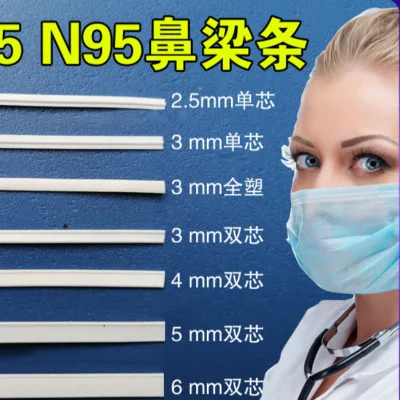



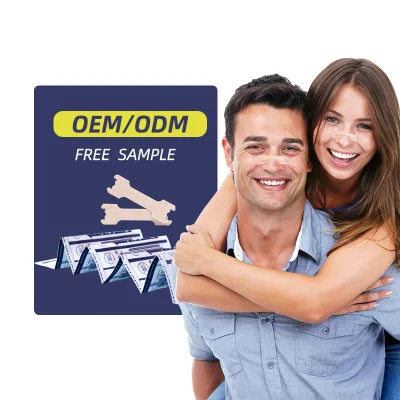


Masks Nose Bone Nose Bridge Clip N95 Mask Aluminum Protective Strip alloy 1060 3003
$2500.00 - $3500.00
MOQ: 2 Tons


Comprehensive Sourcing Guide
Protective Cushioning Nose Bridge Strip Sourcing Guide
The Protective Cushioning Nose Bridge Strip is a critical component in the assembly of medical and disposable face masks, designed to provide structural integrity and a comfortable seal around the nasal bridge. Based on observed market listings, these components are primarily manufactured from flexible polymers such as PE, PP, and PVC, or from specialized medical films and papers, ensuring they can be molded to the wearer's face without causing irritation. The product serves a dual function: it maintains the mask's shape to prevent gaps that compromise filtration efficiency while offering a soft, pliable texture that enhances user comfort during extended wear.
Procurement of these strips requires careful attention to the specific material composition and physical properties, as the market offers a wide range of options from standard flat wires to coated metal variants. Buyers must distinguish between disposable applications, which often utilize non-woven materials or thin polymer strips, and reusable or industrial applications that may require higher tensile strength and specific hardness ratings. The observed data indicates that these components are available in customized sizes and shapes, including flat and round cross-sections, allowing suppliers to tailor the product to specific mask designs and filtration requirements.
Product Scope and Observed Listing Signals
When evaluating product listings, buyers should look for specific signals that confirm the item is a functional nose bridge strip rather than a generic wire or packaging material. Key identifiers include the explicit mention of "nose bridge wire," "face strip," or "nose bridge bar strip" in the product name, along with specifications such as "90mm" length or "90x5x0.7mm" dimensions. The presence of customization options for color, size, and logo printing is a strong indicator of a supplier capable of meeting bespoke procurement needs, while the "flexible, get into shape" attribute confirms the necessary pliability for effective mask sealing.
The observed market data reveals significant variability in packaging and delivery terms, which can impact logistics planning and inventory management. Listings show single package sizes ranging from 33x33x33 cm with a gross weight of 2.000 kg, suggesting that bulk orders will require careful calculation of container space and shipping costs. Furthermore, the availability of "Polybay, Carton" packing and options for air or sea transportation indicates that suppliers are equipped to handle both urgent, small-batch orders and large-scale international shipments, though lead times vary from 3 days to 7-10 days after deposit receipt.
Technical Specifications to Verify
Technical verification must begin with the material composition, as the choice between PE, PP, PVC, and medical film directly influences the strip's biocompatibility and durability. Buyers should request material safety data sheets to confirm that the selected polymer or medical paper meets the intended usage environment, whether for general adult use or specific hospital and clinic applications. The hardness rating, described in listings as "flexible" or "in hard state," must be validated against the specific mask design to ensure the strip provides adequate support without being too rigid for the wearer's comfort.
Dimensional accuracy and surface treatment are equally critical, as deviations can lead to mask assembly failures or reduced filtration performance. The standard specification of "90x5x0.7mm" or "3mm" thickness should be cross-referenced with the actual product samples to ensure consistency, particularly when ordering customized sizes. Additionally, the surface treatment process, such as "coated" or "hot drawing" for metal wire variants, must be verified to ensure the strip does not shed particles or corrode, which could compromise the hygiene standards required for medical-grade face coverings.
Compliance and Safety Documentation
Compliance documentation is essential for any procurement involving medical or personal protective equipment, and buyers should prioritize suppliers who can provide valid certification records. The observed listings mention RoHS and ISO certifications, which are critical indicators that the manufacturing process adheres to environmental and quality management standards. However, buyers must verify the specific scope of these certifications to ensure they cover the raw materials and final product assembly, rather than just the corporate entity, to guarantee that the nose bridge strips are safe for direct skin contact.
Safety verification also extends to the intended usage group and the specific application environment, such as hospital or clinic settings. Products labeled for "Adult" age groups and "Disposable" use must be accompanied by documentation confirming their suitability for single-use applications, including any relevant biocompatibility testing results. While some listings mention a "Three Years" quality guarantee, this likely refers to storage stability or shelf life rather than performance durability, and buyers should clarify the exact terms of this guarantee to avoid misunderstandings regarding product longevity and replacement policies.
Cost Drivers and Commercial Terms
The cost of protective cushioning nose bridge strips is influenced by several factors, including the raw material type, the complexity of the customization, and the scale of the order. The observed MOQ range of 1 to 30,000 units suggests that suppliers offer flexible terms for small startups and large enterprises, but the price per unit will likely decrease significantly as the order volume increases. Buyers should be aware that customized colors, logos, and specific dimensions may incur additional tooling or setup fees, which should be factored into the total cost of ownership before finalizing a purchase agreement.
Commercial terms regarding delivery and payment are equally important, as the observed lead times of 3 days to 7-10 days after deposit receipt can impact production schedules. The "Factory Price" advantage mentioned in some listings indicates that direct sourcing from manufacturers can reduce costs, but buyers must verify that this pricing includes all necessary packaging and shipping costs to avoid hidden expenses. Additionally, the availability of free samples allows buyers to test product quality before committing to large orders, but the cost of shipping these samples should be clarified upfront to ensure accurate budgeting.
Supplier Qualification and Quality Control
Supplier qualification should focus on the manufacturing capabilities and the consistency of their production processes, particularly regarding the "Cutting" and "Hot Drawing" services observed in the listings. Buyers should assess whether the supplier has the capacity to maintain tight tolerances on dimensions and surface treatments, as these factors directly affect the performance of the final mask product. The presence of a "Two-point" fixed mode and specific strength ratings of "≥23kN" for certain metal wire variants suggests that some suppliers offer high-performance options, but these claims must be validated through independent testing or third-party verification.
Quality control protocols must be established to ensure that every batch of nose bridge strips meets the required specifications and safety standards. Buyers should request a detailed quality assurance plan that includes in-process inspections, final product testing, and traceability measures for raw materials. The "Normal" filter rating and "Disposable" status of the products imply that they are designed for single-use applications, but the supplier must demonstrate that their quality control processes prevent defects such as uneven cutting, inconsistent hardness, or contamination that could render the strips unusable.
Long-Term Procurement Checks
Long-term procurement success depends on establishing a reliable supply chain that can adapt to changing market demands and regulatory requirements. Buyers should regularly review supplier performance metrics, including on-time delivery rates, defect rates, and responsiveness to customization requests, to ensure that the partnership remains beneficial over time. The ability of suppliers to provide "Customized" solutions and maintain a consistent "White" or "Customized" color palette is crucial for maintaining brand identity and product consistency across different mask models and production runs.
Future-proofing the procurement strategy involves staying informed about emerging standards and technological advancements in mask manufacturing. As regulations evolve, suppliers must be able to update their products to meet new compliance requirements, such as updated ISO standards or additional safety certifications. Buyers should maintain open communication channels with their suppliers to anticipate changes in material availability, pricing trends, and production lead times, ensuring that their supply chain remains resilient and capable of meeting the ongoing demand for protective cushioning nose bridge strips.
FAQs
What materials are used for the nose bridge strip?
The product is made from PE, PP, or PVC materials. These materials ensure the strip is flexible and can be shaped to fit the nose comfortably while maintaining structural integrity during mask use.
Can the nose bridge strip be customized in size?
Yes, customization is available for the size of the strip. The standard model number is 90mm, but the product specifications allow for customized dimensions to meet specific mask requirements.
How long is the delivery time for orders?
The delivery time is typically 3 days for standard orders. For some specific metal wire variants, the lead time may extend to 7-10 days after receiving the deposit.
What certifications does the product hold?
The product holds RoHS certification and some variants carry ISO certification. These certifications ensure the materials meet specific safety and environmental standards for use in medical and protective applications.
Is the nose bridge strip suitable for adult use?
Yes, the product is designed specifically for the adult age group. It features a flat shape and flexible hardness to provide a secure and comfortable fit for adult-sized face masks.
What is the minimum order quantity for this product?
The minimum order quantity is 100 kilograms. This MOQ applies to the standard Protective Cushioning Nose Bridge Strip to ensure efficient production and shipping logistics for buyers.
Where is the product manufactured?
The product originates from Guangdong, China, with some variants listed as coming from Zhejiang. Both locations are established manufacturing hubs in China known for producing mask components.
Can the product be used in hospital settings?
Yes, the product is suitable for use in hospitals and clinics. It is designed as a disposable item with a normal filter rating, making it appropriate for medical protective equipment.